
Grow Stronger Through Every Season

Today we dive into Climate-Resilient Home Gardens, turning uncertainty into practical design, planting, and care habits that help yards thrive despite heat, drought, wind, or sudden downpours. Expect clear steps, real stories, and adaptable ideas you can test this week, building a living refuge that steadily nourishes your family, pollinators, and soil through changing seasons.
Reading the Sky Like a Gardener
Climate shifts start at home scale: shade lines move, walls store heat, and fences channel gusts. Learn to map sun arcs, track frost pockets, notice runoff trails, and log extremes. With these simple observations, you’ll predict stress before it strikes and plan protective actions confidently.
Microclimates on Your Doorstep
Stand in different corners at different hours and feel how air moves and warmth lingers. A south-facing brick breathes heat after dusk; a low dip hoards cold. Sketch zones, place sensors, and match plants to these nuanced pockets for impressive resilience gains.
Weather Data, Human Stories
My neighbor kept a rain and wind diary for one chaotic summer, scribbling notes beside coffee stains. Those entries explained broken stems and scorched lettuce better than any app. Start your own log; patterns appear quickly, guiding protection, pruning, and watering decisions.
Risk Maps You Can Understand
Plain-language hazard layers are available for many cities, highlighting floodways, heat islands, and wildfire exposure. Print a screenshot and overlay your yard plan. When you understand where water, embers, or radiant heat may travel, you can deflect, slow, or safely absorb impacts.
Soil That Bounces Back
{{SECTION_SUBTITLE}}

Compost as Climate Armor
Well-made compost adds organic matter that behaves like a sponge, improves aggregation, and fuels microbial teamwork. Spread modestly but regularly, and tuck it under rough mulch. Over a year, beds endure scorching weeks with less wilting, and shed pounding rain without sealing into crusts.
Mulch as a Moisture Memory
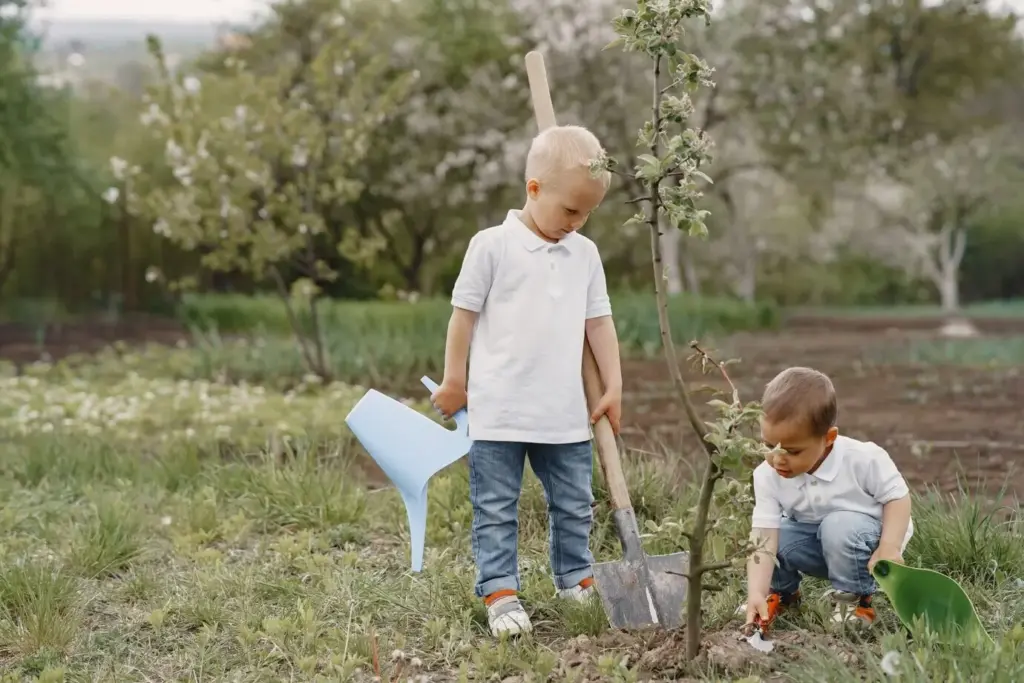
A mixed blanket of wood chips, leaves, straw, and pruned stems shields earth from baking sun and hammering raindrops. Moisture lingers deeper, weeds loosen, and beneficial fungi weave highways. Replace bare soil with texture, and your roots inherit a cooler, calmer neighborhood.
Water Wisdom for Unpredictable Seasons
When rain becomes feast or famine, capture, store, and deliver it precisely. Combine barrels, permeable patios, and timed drip lines with soil moisture cues. Designing for both scarcity and deluge protects harvests, reduces bills, and gives you calm control during surprising forecasts.
Rain That Doesn’t Run Away
A simple chain of gutters, first-flush diverters, and covered tanks turns roof runoff into a dependable reserve. Direct overflow into rain gardens that sip slowly. Clean screens seasonally, and watch dry spells transform from panic into planned, measured watering sessions without waste.
Irrigation That Learns
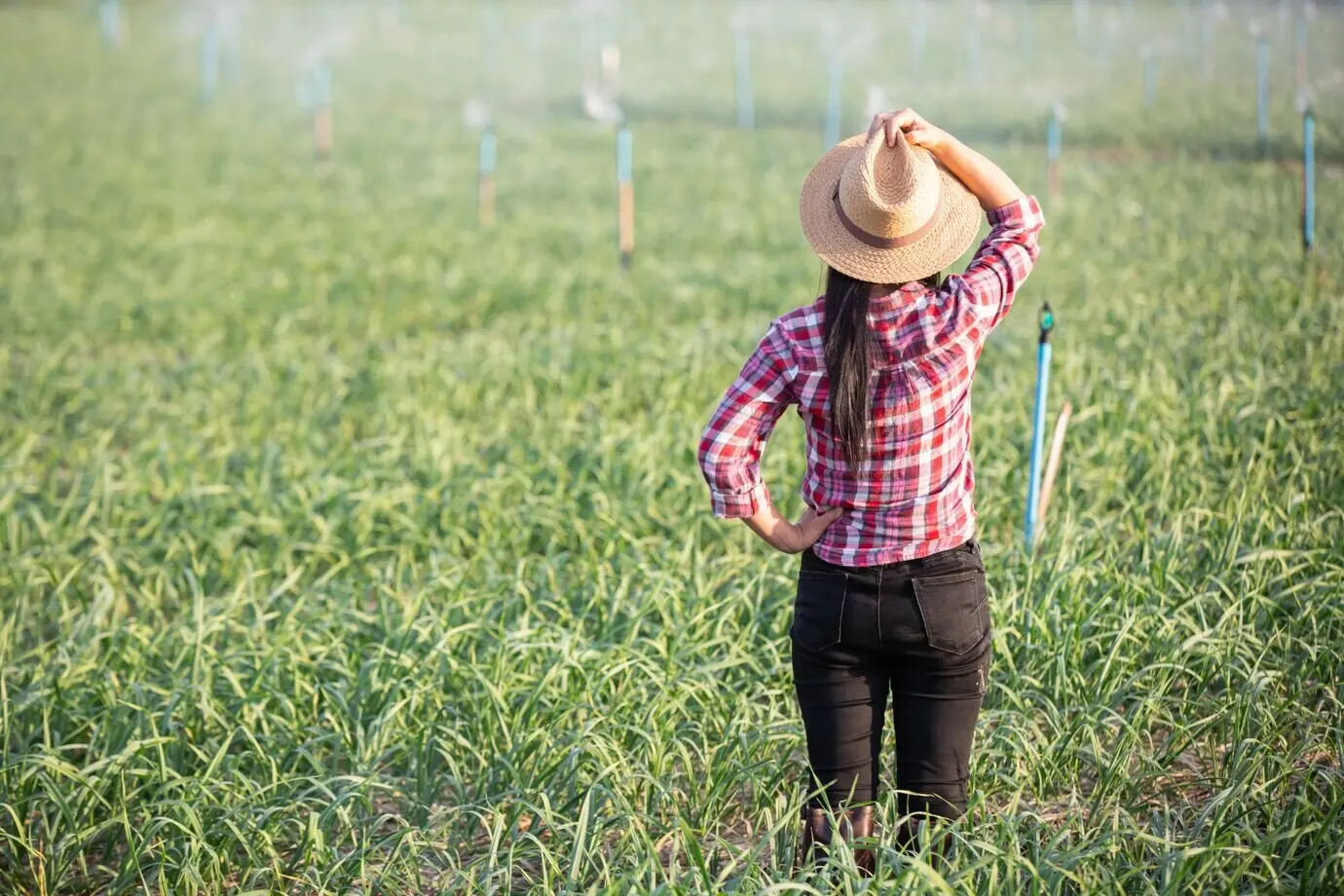
Pair drip lines with mulch and a smart timer reading weather forecasts and soil probes. Deliver water at dawn where roots actually sip, not where leaves evaporate. As storms approach, the system pauses, protecting soil structure while saving you time and money.
Greywater, Clear Rules
Reusing lightly soapy sink or laundry water can sustain ornamentals between showers, yet rules matter. Install approved filters, route to mulched basins, and rotate application areas. With thoughtful safeguards, you’ll stretch supplies without salting soil or stressing sensitive edible plantings unintentionally.
Plant Choices That Keep Their Cool
Choose plants by performance under stress, not only by looks. Blend natives with climate-analog species from regions already facing your future weather. Mix deep-rooted perennials, self-seeding annuals, and sturdy shrubs. Stagger bloom and harvest times to spread risk while feeding wildlife continuously.
Create a small evaluation bed where new varieties face your real conditions for a season. Record germination, growth, wilt recovery, and pest pressure. Winners graduate to prime spots; underperformers become lessons, saving you money and disappointment while steadily curating an adaptable palette.
Resilience grows with diversity: mixed heights, root depths, and lifespans break pest cycles and buffer shocks. Plant guilds around trees, tuck herbs beneath shrubs, and weave flowers through vegetables. If one group falters, companions often carry on, keeping nectar, shade, and harvests flowing.
Look for varieties that shrug off heat spikes, set fruit in variable springs, or store well through winter. Sweet potatoes, chard, okra, perennial onions, and hardy greens anchor meals reliably. Pair with drought-tolerant herbs, and your kitchen remembers abundance even after difficult weeks.

Designing for Wind, Heat, and Storms
Thoughtful shapes and structures tame extremes. Living hedges slow wind, trellises cast gracious shade, and permeable surfaces release heat at dusk. Raised beds, swales, and terraces intercept flows, while anchored frames protect tender crops, giving you time to react during tempests.
Combine deciduous vines over pergolas with reflective groundcovers that return light without scorching. In summer, leaves cool patios and lettuces; in winter, bare stems welcome sun. Adjustable shade cloths let you fine-tune microclimates through heatwaves, keeping flavor, color, and human comfort intact.
Stagger shrubs and small trees to filter gusts rather than block them abruptly. Layer fragrant natives for wildlife value and beauty. Even a short hedge near a vegetable patch can reduce transpiration, deter hail, and quiet the kind of wind that topples trellises.
Blend raised beds for drainage with in-ground pockets that stay moist longer, then link them using gentle contours. During downpours, surplus water slides into holding areas; in drought, deeper zones offer reserves. This topography lets you shuffle plantings strategically as conditions evolve.

Community, Care, and Continuous Learning
Resilience grows faster when shared. Trade seeds, compare storm notes, and coordinate shade cloths or water deliveries with neighbors during heat emergencies. Join citizen-science efforts, and help map bloom shifts. Your voice invites others, strengthening local abundance when systems feel stretched thin.